
Why patchwork feels modern again.
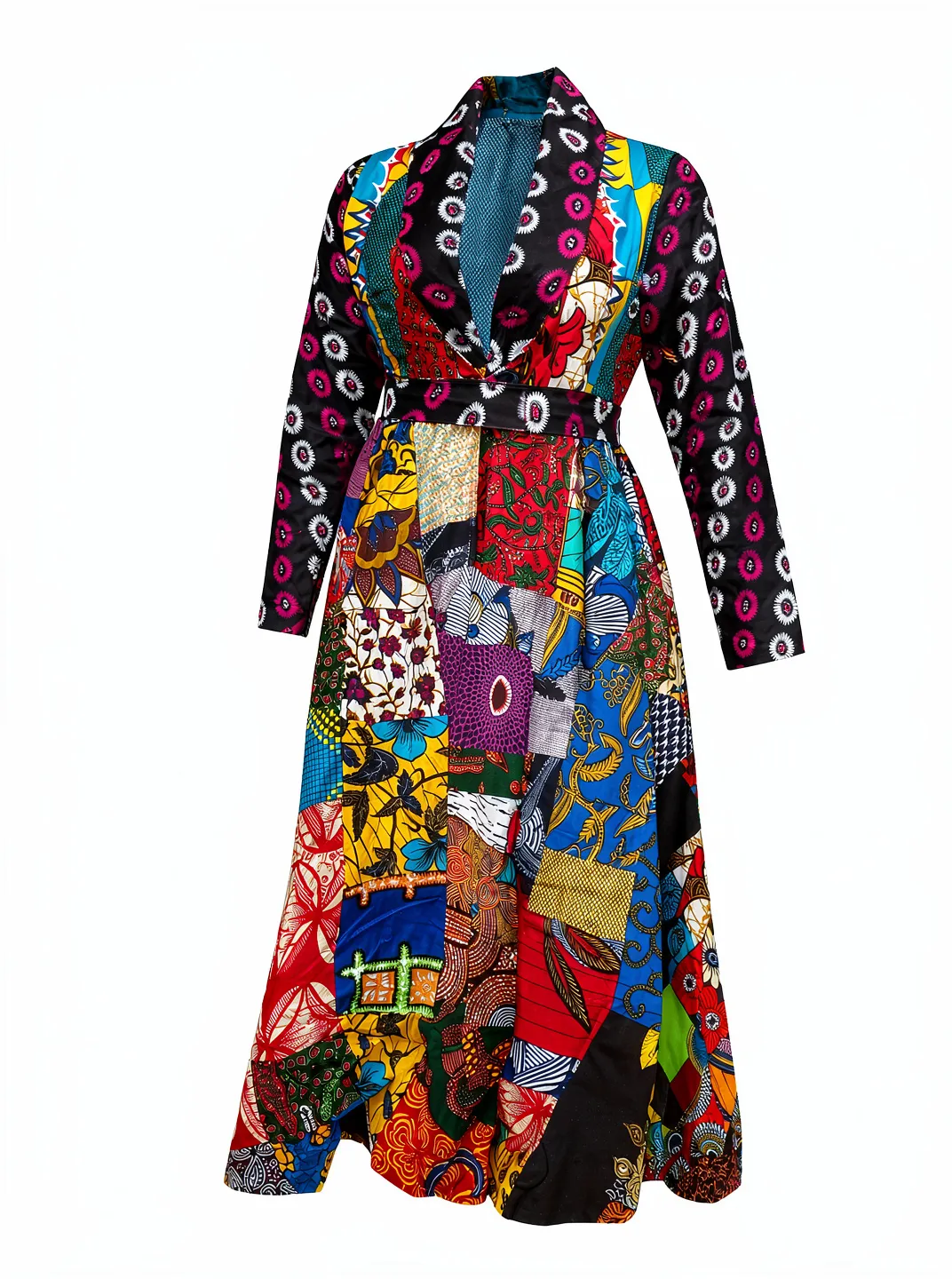
Color-blocked heritage pieces bring rhythm to simple dressing without losing polish. The atelier coat-dress leads the collection — a single silhouette that holds a dozen textile conversations.
Read the story →
Conversations with makers, deep dives into textile traditions, and the stories behind the pieces that define your edit.
Fabric notes, field reports, and the stories behind each collection.
Color-blocked heritage pieces bring rhythm to simple dressing without losing polish. The atelier coat-dress leads the collection — a single silhouette that holds a dozen textile conversations.
Read the story →
Recap
A look back at the biggest studio presentation of the year — behind the scenes, the looks that landed, and the direction it signals for the season ahead.
Editor's pick
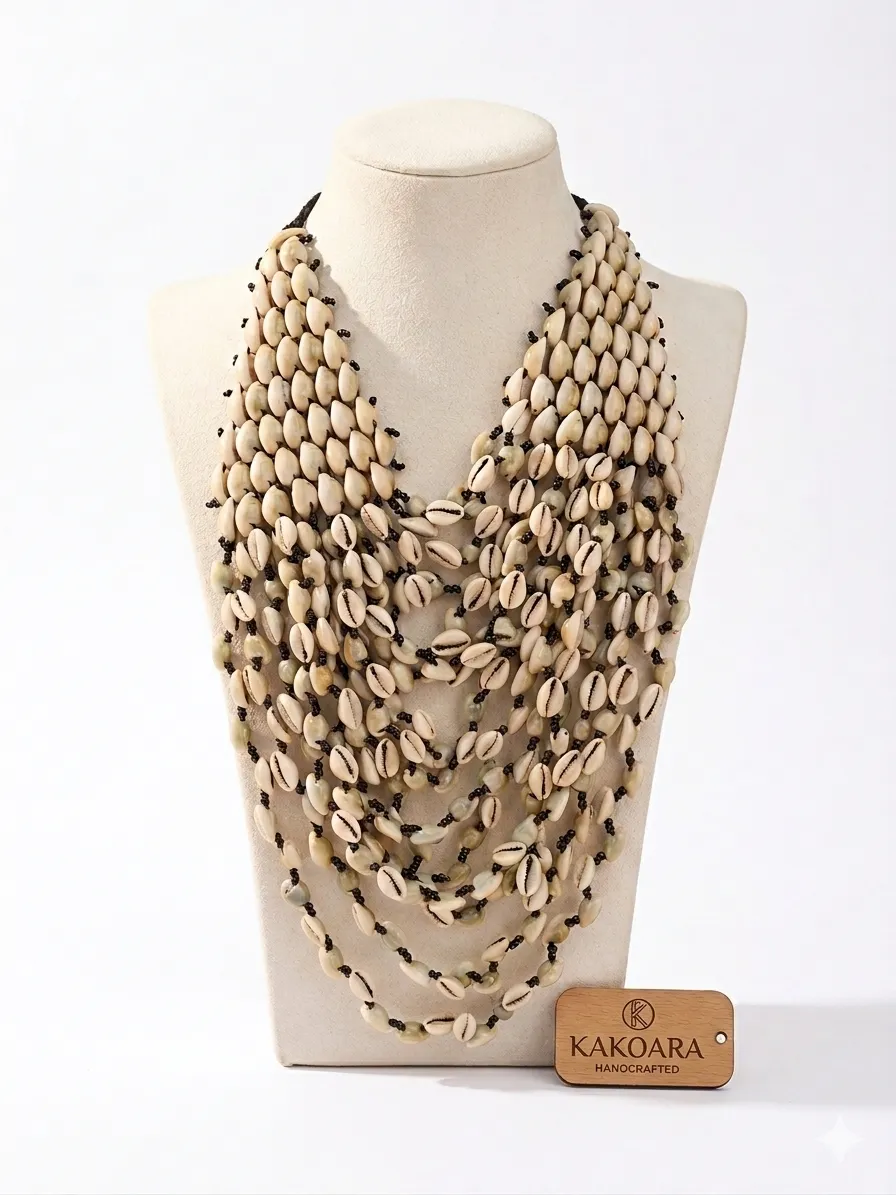
Let sculptural jewelry lead with white shirting, black cotton, or one quiet print.
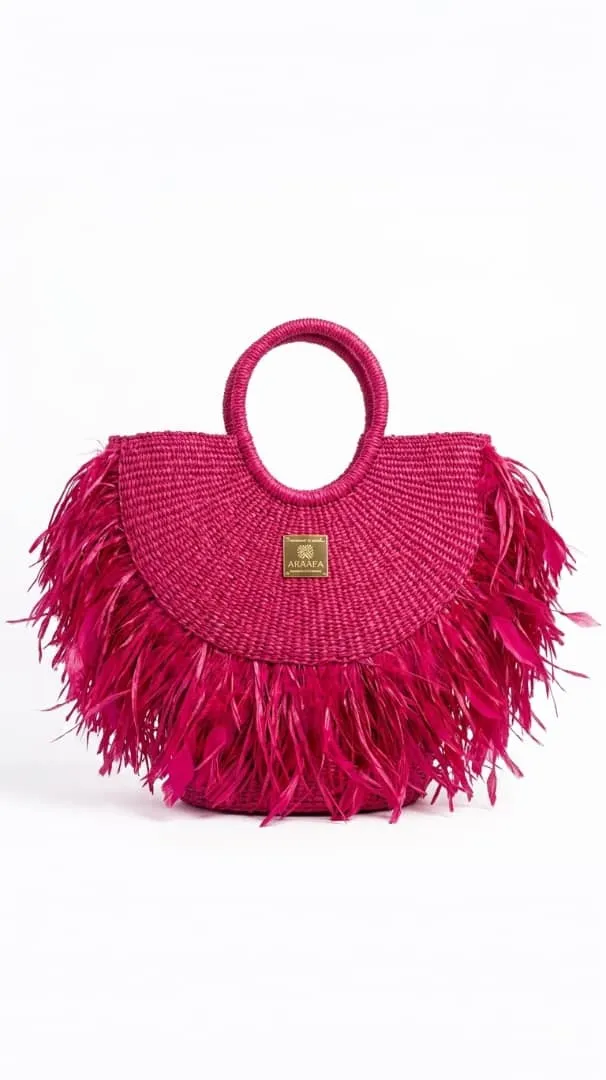
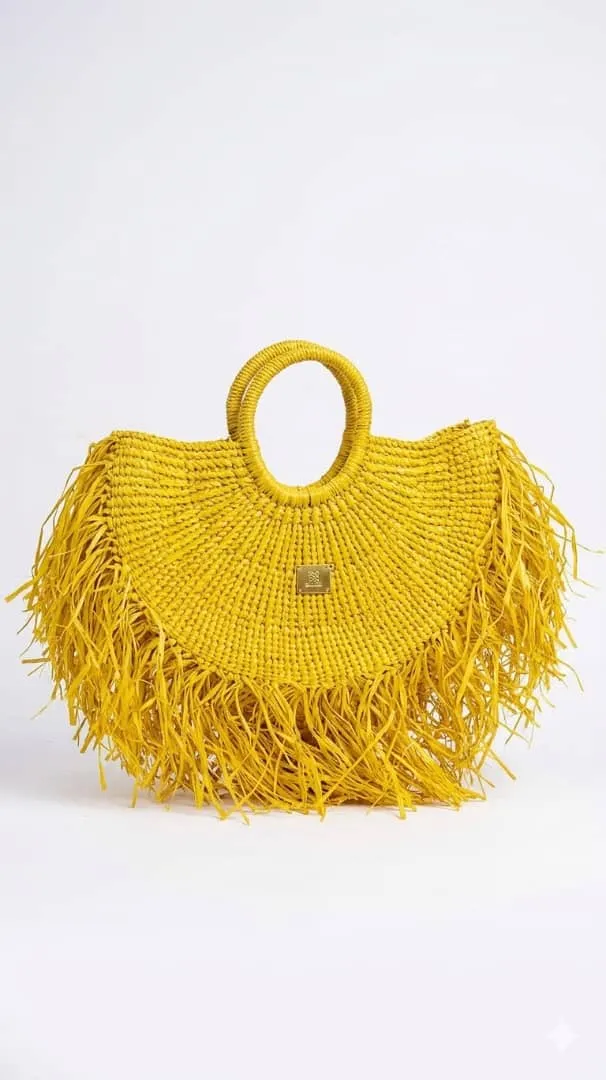
The newest totes bring texture into everyday dressing with clean proportions.
Heritage
From Ghanaian smocks woven in the Upper East to Kakoara's atelier patchwork — the art of joining cloth has always been more than economy. It is storytelling through scraps, a map of memory stitched together.
Craft
Every colour and pattern in Asante kente carries meaning — gold for royalty, green for growth, blue for the divine. Kakoara's kente pieces honour a tradition that has clothed kings for centuries.
Symbolism
Used as money across West Africa, the cowrie shell eventually became one of the continent's most powerful symbols of beauty, fertility, and spiritual protection. Kakoara's cowrie pieces carry that layered history.
Method
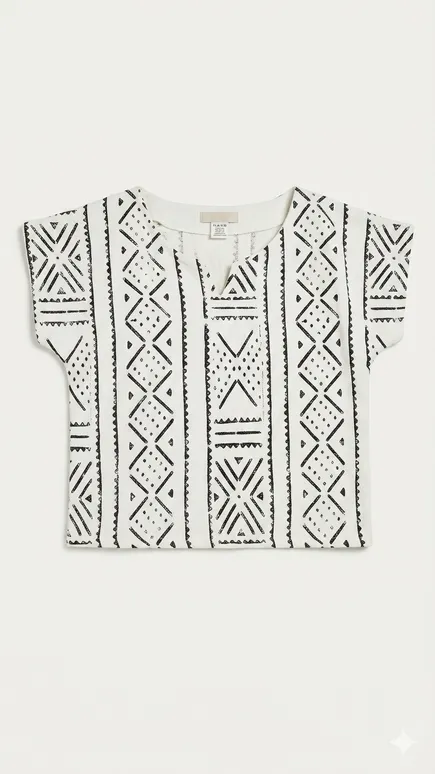
Burkinabé artisans ferment river mud for months before applying it to hand-spun cotton, creating patterns that speak of earth, ancestry, and place. Each Bogolan piece is irreproducible — a fingerprint of its maker.
Tradition
From the indigo vats of Mali's Dogon country to the Yoruba adire tradition, indigo dyeing was once so valuable that cloth dyers formed their own guilds. Kakoara's indigo pieces connect to that deep blue legacy.
Kakoara swags are limited drops — each piece tied to a textile tradition. When the story sells out, it's gone.
Get new stories, swag drops, and studio dispatches straight to your inbox. No spam — just craft.
No spam, unsubscribe anytime.
Every Kakoara garment carries the fingerprints of communities across West Africa. We do not simply source materials — we build long-term relationships with artisans, weavers, dyers, and cooperatives whose craft would otherwise go unseen. These are our patrons. This is where we come from.
The heart of Kakoara's accessory range beats in Guinea. The indigenous women artisans of Guinea are the unseen hands behind many of the beaded collars, cowrie pieces, and hand-finished necklaces in our collection. Working with natural materials, centuries-old techniques, and an extraordinary eye for detail, these women bring irreplaceable skill to every piece they craft.
Kakoara is proud to recognise Guinean indigenous women as key patrons and creative contributors to this brand. When you wear one of our accessories, you carry their work with you.
Mali is where the majority of Kakoara's accessories are sourced. Malian craftspeople — particularly from the Ségou, Mopti, and Bamako regions — produce the wooden beads, leather pendants, raffia totes, and brass findings that complete our collections. The tradition of accessory-making in Mali stretches back centuries, and the quality shows in every clasp and every bead.
We source with a commitment to fair trade and long-term partnership. These artisans are not suppliers — they are collaborators, and Mali's creative heritage is woven into the DNA of Kakoara.
Burkina Faso is a primary source of Kakoara's signature fabrics. The country's Bogolan mud-cloth tradition — bogolanfini — produces some of the most distinctive textiles in all of West Africa. Using natural fermented mud and plant dyes on hand-spun cotton, Burkinabé weavers create fabrics with depth, character, and a cultural story embedded in every thread.
Our Burkina Mud Cloth category is a direct homage to this tradition. Every piece in that collection carries the spirit of the Faso — earthy, strong, and unmistakably West African.
Côte d'Ivoire brings two distinct threads to Kakoara. The vibrant wax print culture of the south produces the bold, graphic fabrics behind our Ivory Coast category — bright, confident, and joyful. From the interior, the Baoulé people produce extraordinarily fine handwoven cloth — the fabric tradition that inspired our Bawule category.
Ivorian textile culture is one of the richest in Africa, and Kakoara is proud to draw from it with care and respect for its origins.
Northern Ghana is home. It is where Elizabeth Chibale's Paga roots run deep, and it is where some of Kakoara's most grounded sourcing relationships live. The smock-weaving tradition of the Upper East and Upper West regions, the batakari fabric, and the natural-dye work of Northern Ghanaian communities all influence the aesthetic and the ethics of this brand.
The Savannah Helpers Foundation, of which Elizabeth is a proud member, works to uplift these very communities. Sourcing from Northern Ghana is not a commercial decision alone — it is a commitment to the people who built the craft traditions that Kakoara builds upon.
The Journal · Sourcing & Patrons
Shop these collectionsKakoara sets up at the Du Bois Centre open market twice a month — the first week and the last week. Come shop the current edit in person, feel the fabrics, try the fit, and take home same-day.
📍 W.E.B. Du Bois Memorial Centre for Pan African Culture, Accra
🗓 First week & last week of every month
🕙 Market hours: 9 am – 6 pm
Recurring event
Du Bois Centre Open Market
week of the month
week of the month
Follow our Facebook page for exact dates, live market previews, and what's dropping at the next market before it sells out in-store.
Every market day, styling session, and new drop is captured live on our Facebook page. Scroll through the latest moments below.